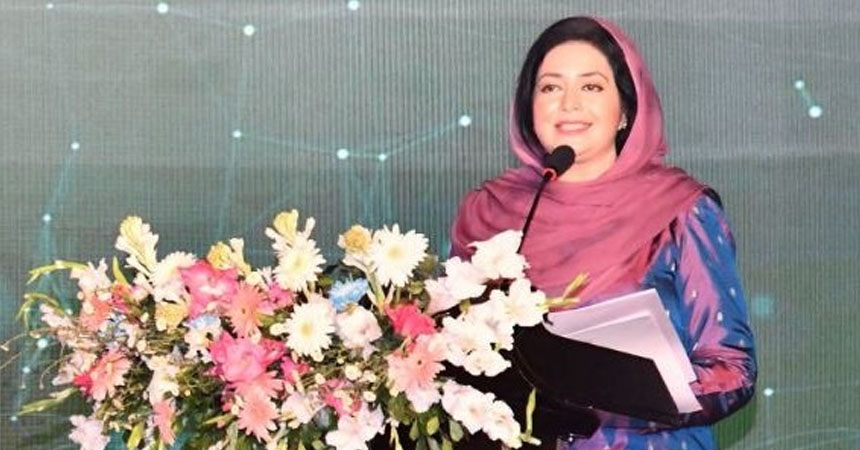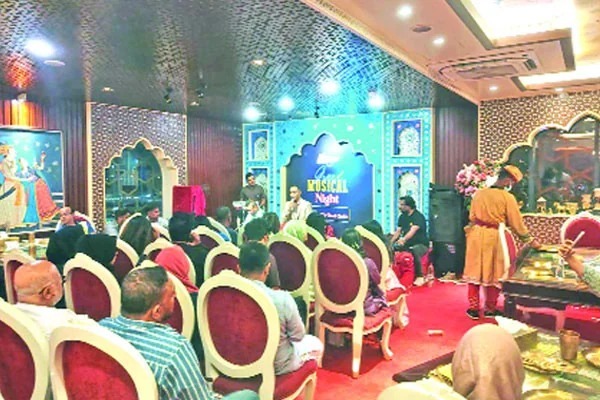
The seminar was jointly organized by the American Chamber of Commerce in Bangladesh (AmCham) and the US Embassy in Dhaka as part of the three-day 30th US Trade Show.
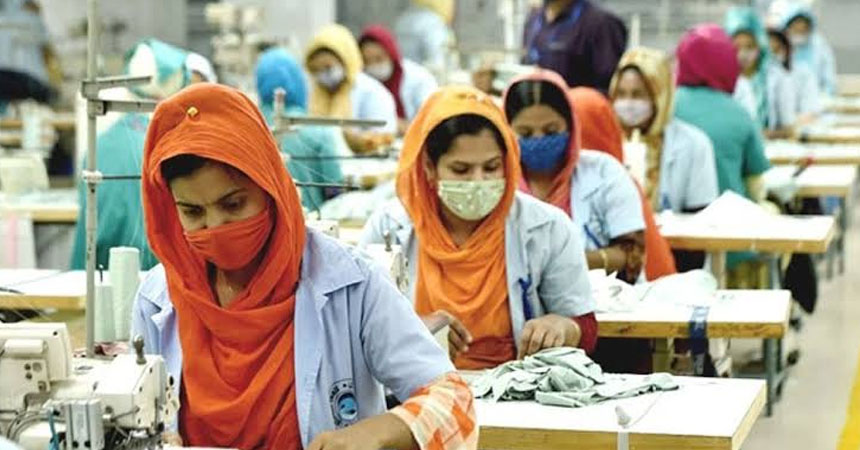
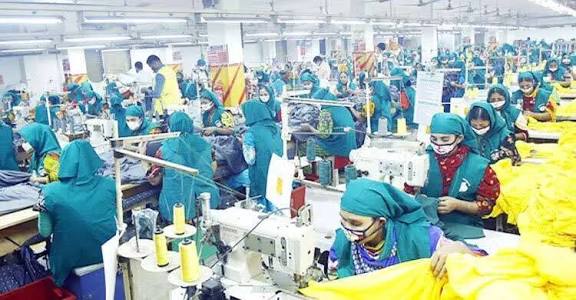
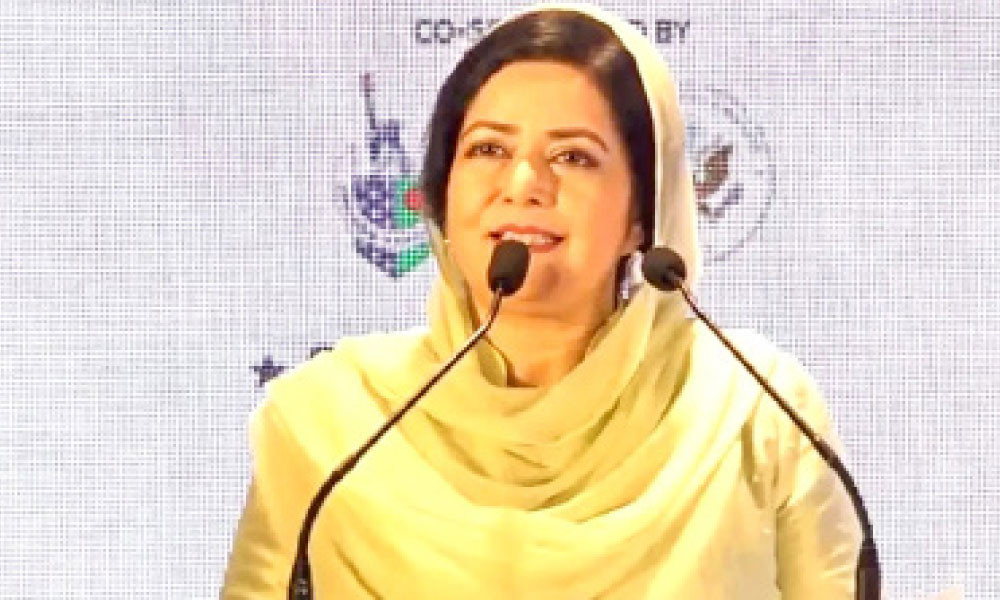
Citing International Labour Organization (ILO) data from 2025, Dr. Zubaida noted that the female labor force participation rate in Bangladesh stands at 38.6 percent, compared to 80.4 percent for men. She stressed that bridging this substantial gap requires creating equal opportunities for women's economic independence, education, employment, and leadership development.
She emphasized that female progress should not be judged solely by the number of women reaching top-tier positions, but also by how their success creates pathways for other women to advance and drives positive change in workplaces and society.
Highlighting demographic realities, Dr. Zubaida stated that women account for 50.8 percent of Bangladesh's total population. However, systemic obstacles—including child marriage, limited educational access, and inadequate healthcare facilities—prevent a vast segment of women from participating actively in economic pursuits. Millions of women living across 90,049 villages remain underrepresented in formal economic frameworks.
Expressing concern over female dropout rates, she cited 2023 data from the Bangladesh Bureau of Educational Information and Statistics (BANBEIS), noting that the female dropout rate stands at 34.9 percent at the secondary level and 22.5 percent at the higher secondary level, while female participation in higher education remains at just 20.8 percent. She urged continuous support for girls across every tier of the education system.
Dr. Zubaida pointed out that obtaining academic degrees alone will not guarantee employment; women must also be equipped with practical skills in science, technology, critical thinking, and leadership. She recalled that the government led by Prime Minister Tarique Rahman committed to providing free education for female students up to the undergraduate level, building upon the precedent set by former Prime Minister Begum Khaleda Zia, who made female education free up to the twelfth grade.
Underscoring the broader impact of economic self-reliance, Dr. Zubaida affirmed that a woman's ability to earn, save, and make independent financial decisions strengthens her personal life while bolstering her family's overall resilience. Economic freedom encompasses not just earning an income, but exercising the power to shape one's own future.
She outlined several major employment initiatives in the healthcare sector, including plans to recruit approximately 100,000 healthcare workers—80 percent of whom will be women—alongside 25,000 professional midwives to bolster maternal and child healthcare.
Dr. Zubaida emphasized the urgent need for nationwide daycare centers to ensure family responsibilities do not hinder women's career growth. She also called for re-skilling programs and structural mechanisms to help women re-enter the workforce after career breaks. Rapid technological shifts driven by artificial intelligence (AI) and digital services necessitate active female participation to build an inclusive, innovation-driven future economy.
She concluded that empowering women is not the sole responsibility of the government; it requires coordinated action across families, educational institutions, workplaces, and society as a whole.
The seminar was moderated by Zakia Sultana, Country Manager of Mastercard Bangladesh. Panelists included State Minister for Social Welfare Farzana Sharmin, FICCI President Rupali Haque Chowdhury, CPD Executive Director Nazneen Ahmed, Acting Deputy Chief of Mission at the US Embassy Trishita Maula, Chevron Bangladesh President and Managing Director Shu Xiong, and Oracle Country Managing Director Rubaba Dowla.