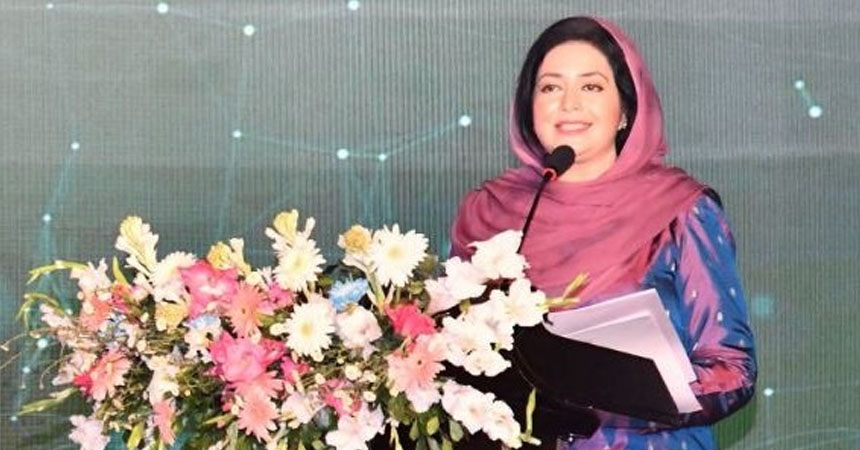
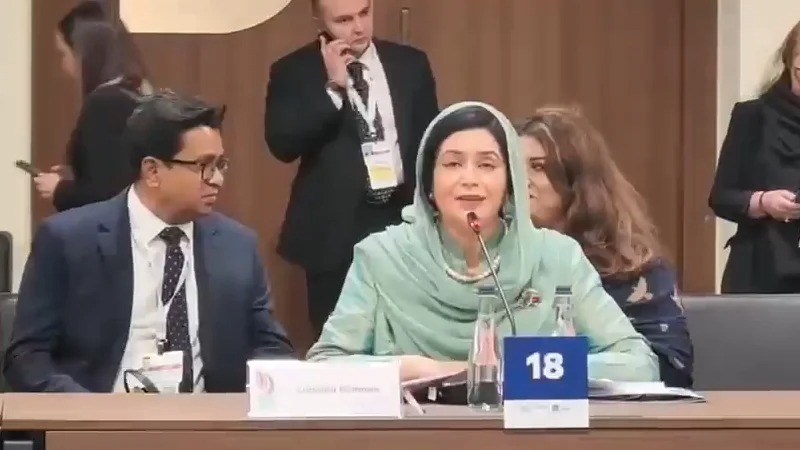
Speaking on Wednesday at a high-level meeting of spouses of heads of state and government titled the ‘Global Zero Waste Alliance’—held on the sidelines of the UN Climate Change Conference (COP31) in Antalya, Turkey—she asserted that no single nation can build a waste-free society in isolation. Alongside global partnerships, she underscored the vital importance of private sector engagement and ensuring the safety and rights of informal waste workers.
Hosted by Turkish First Lady Emine Erdogan, the session saw Dr. Zubaida Rahman commend Erdogan’s leadership in spearheading the global zero-waste initiative. She affirmed that Bangladesh welcomes the Global Zero Waste Alliance and fully supports its objectives, noting that the alliance's goals align closely with Bangladesh’s vision for a clean environment, healthy population, and sustainable future.
Outlining Bangladesh’s national waste management strategy, Dr. Zubaida Rahman stated that the government is implementing the ‘3R’ strategy (Reduce, Reuse, Recycle) alongside strict Solid Waste Management Rules prioritizing waste segregation and safe disposal. Under its Nationally Determined Contributions (NDC 3.0), Bangladesh has set an ambitious target to cut emissions from the waste sector by 1.78 million tons of carbon dioxide equivalent by 2035.
She noted that national priorities include waste recycling, composting, landfill gas recovery, waste-to-energy generation, and advanced wastewater treatment, alongside specialized segregation and eco-friendly disposal protocols for medical waste from hospitals and healthcare facilities.
Highlighting a flagship waste-to-energy project currently under implementation in Dhaka, she revealed plans to process 3,000 tons of household waste daily to generate 42.5 megawatts of electricity, with proposals to replicate the model across other major cities in the future.
┌────────────────────────────────────────────────────────────────────────┐ │ BANGLADESH’S WASTE & EMISSION TARGETS AT A GLANCE │ ├────────────────────────────────────────────────────────────────────────┤ │ • NDC 3.0 Target : Cut 1.78M tons CO2-equivalent emissions by 2035│ │ • Dhaka Energy Project: Process 3,000 tons daily waste ➔ 42.5 MW power │ │ • Plastic Alternative : Promoting eco-friendly jute products globally │ │ • Methane Reduction : Climate-smart rice farming & organic fertilizers│ └────────────────────────────────────────────────────────────────────────┘Positioning jute as a sustainable alternative to combat plastic pollution, Dr. Zubaida Rahman noted that the government is actively promoting jute-based products and invited COP31 delegates to visit the Bangladesh Jute Pavilion in the conference’s Green Zone. She also detailed ongoing drives to clean and preserve lakes, canals, ponds, and other water bodies nationwide.
Addressing methane mitigation, she stated that as a signatory to the Global Methane Pledge, Bangladesh is encouraging climate-smart agriculture, improved rice cultivation methods, and the conversion of organic waste into bio-fertilizers and clean energy.
She further stressed the necessity of engaging youth in environmental stewardship from the family, school, and community levels, framing young people as essential partners in tackling immediate environmental challenges rather than merely future leaders.
Concluding her remarks, Dr. Zubaida Rahman urged global stakeholders to view waste not as discarded refuse, but as a source of energy, wealth, and economic growth—calling on nations to turn waste into resources, pollution into solutions, and global pledges into actionable realities.