In statecraft, no door remains closed permanently. Regardless of the depth of disagreements, keeping channels of communication open remains the most effective strategy for managing bilateral relations. When neighboring nations face disputes, converting those differences into active hostility harms both sides. Consequently, the deeper the crisis, the greater the imperative for dialogue.
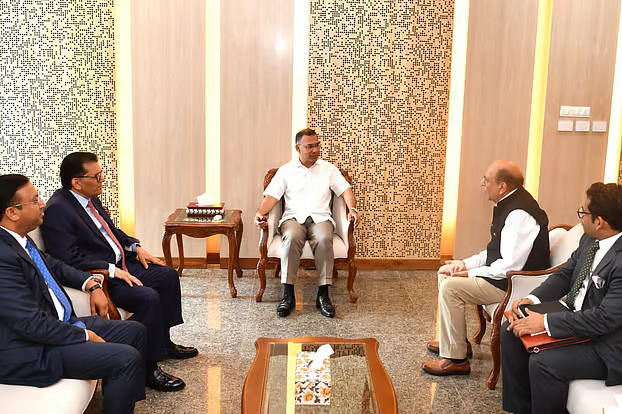
The Monday meeting at the Prime Minister's office served as a significant political and diplomatic signal amid ongoing tensions, misgivings, and discomfort between the two neighbors, demonstrating a shared understanding that differences should not lead to severed ties.
Bangladesh-India relations have navigated a turbulent period over the past two years, particularly following the political shifts of August 5, 2024. Restrictions on visa operations, reciprocal diplomatic summons, border friction, and political rhetoric eroded mutual trust and constrained people-to-people movement.
However, observers emphasize that public sentiment and state-level diplomacy operate on different planes. While public grievances may exist, responsible governments refrain from making emotion the sole foundation of foreign policy, choosing instead to engage pragmatically to safeguard national interests.
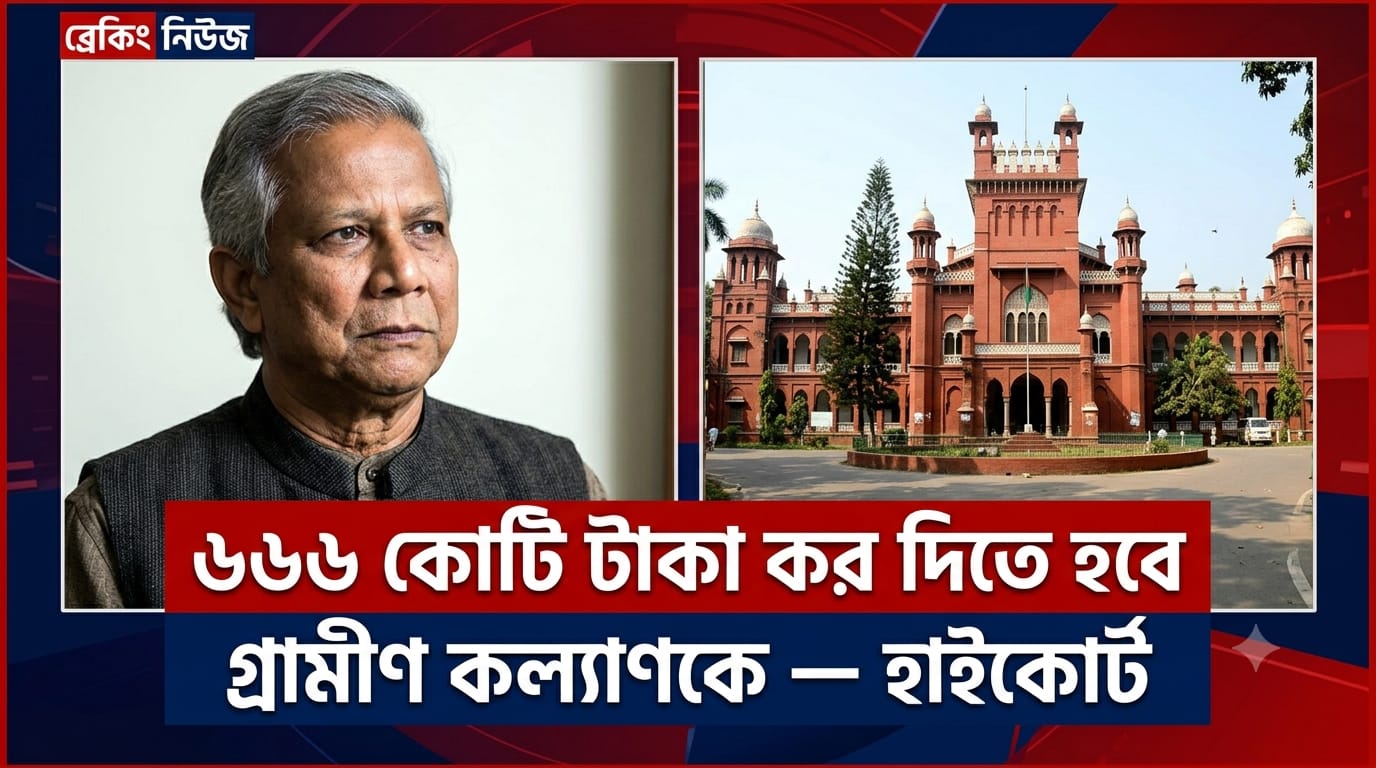
Under the previous interim administration, heightened political statements and mutual suspicions complicated the bilateral climate. Remarks regarding India's North-Eastern states ('Seven Sisters') by Dr. Muhammad Yunus, alongside statements from several advisers, created unease in New Delhi. Nevertheless, economic realities persisted; imports from India continued uninterrupted even as visa complications and trade bottlenecks created hurdles for Bangladeshi citizens and businesses.
Measuring foreign policy success relies on tangible outcomes rather than the frequency of international visits. While the interim period saw active international engagement, progress remained limited regarding Rohingya repatriation, labor market expansion, and visa facilitation. The ongoing Rohingya crisis continues to exert severe economic, environmental, and security pressures on Bangladesh, requiring coordinated regional and international diplomatic efforts with Myanmar and neighboring powers.
Since assuming office, the BNP-led government has sought to reorient Bangladesh's foreign policy toward a pragmatic, national-interest-first approach. Recent diplomatic developments include an improvement in Bangladesh's passport ranking, the election of Foreign Minister Khalilur Rahman as President of the 81st Session of the UN General Assembly, and Prime Minister Tarique Rahman’s official visit to Malaysia, which energized efforts to reactivate the vital Malaysian labor market for Bangladeshi workers.
A similarly realistic approach is being applied to relations with India—acknowledging existing friction points while pursuing resolution through structured dialogue. For its part, New Delhi has signaled an interest in normalizing ties, highlighted by the appointment of Dinesh Trivedi as its 16th High Commissioner to Dhaka.
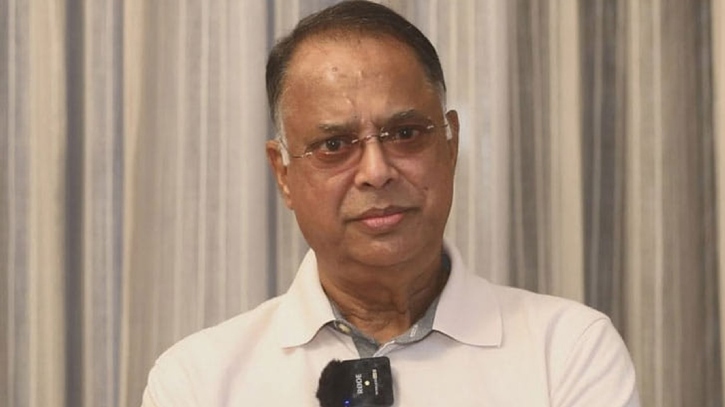
Trivedi, a former Indian Union Railway Minister and senior political figure rather than a career diplomat, represents a unique diplomatic appointment in the 55-year history of bilateral relations. Since presenting his credentials to the President on June 25, Trivedi has held multiple meetings with Foreign Minister Khalilur Rahman, alongside initial steps by India to gradually normalize visa services. Nevertheless, recent incidents—including border push-ins, border fatalities, and political activities involving former Prime Minister Sheikh Hasina in India—continue to generate diplomatic discomfort.
The significance of stable neighborly relations is frequently reflected in daily trade dynamics. For instance, recent domestic shortages of essential commodities, such as green chilies, were stabilized through swift imports from India. Beyond consumer goods, bilateral ties encompass critical sectors including power, energy, transit, border management, security, shared water resources, and regional trade. Economists like Professor Mustafizur Rahman have repeatedly emphasized the necessity of maintaining uninterrupted trade flows between the two nations.
Looking ahead, significant bilateral challenges remain, including the upcoming expiration of the Ganges Water Sharing Treaty and unresolved discussions regarding the Teesta Water Sharing Agreement. Reaching consensus on these long-standing issues requires sustained political goodwill and constructive negotiations rather than confrontation.
A mature diplomatic relationship does not demand absolute consensus on every issue, nor does disagreement equate to hostility. Bangladesh seeks friendly relations with India grounded in equality, mutual respect, and reciprocal benefit. Just as activities detrimental to Bangladesh's national interests remain unacceptable, Bangladeshi territory must not be utilized against India's security interests. Reciprocally, Bangladesh maintains a legitimate expectation that Indian soil will not be used for activities directed against Bangladesh.
For India, the imperative remains clear: engaging Bangladesh as an equal neighbor and partner rather than through a "Big Brother" framework. Addressing border security, push-ins, water sharing, trade imbalances, and political concerns requires mutual sensitivity and respect.
The core philosophy of Bangladesh’s foreign policy remains "Bangladesh First"—a doctrine focused not on isolationism, but on prioritizing core national interests while cultivating balanced international partnerships. Given their shared geography, history, economy, and human connections, cooperation remains the most viable path forward for both Bangladesh and India.